Skip to content

Or try searching by Category and/or Location

West Iceland – The Sagaland

Where stories live in the landscape

Iceland has an extraordinary tradition of storytelling. For centuries, stories of people, places, journeys, conflict, everyday life and imagination were passed from one generation to the next.

During the Middle Ages, many of these stories were written down, copied and preserved in manuscripts. West Iceland played an important part in this tradition, and many of Iceland’s best-known sagas are written in or closely connected to the region, including Egils Saga, Laxdæla Saga, Eyrbyggja Saga and Eiríks Saga Rauða.

Discover West Iceland through stories

Watch the video and get a glimpse of how sagas, folklore, history and landscapes come together in West Iceland — a region where stories are not only remembered, but still connected to real places.

What does West Iceland Sagaland stand for?

Sagas

West Iceland is closely connected to some of Iceland’s best-known sagas, including Egils Saga, Laxdæla Saga, Eyrbyggja Saga and the stories of Eiríkur rauði.

Landscape

The mountains, valleys, farms, rivers and coastlines of West Iceland are not simply a backdrop — they are part of the stories themselves.

Folklore

The region is rich in tales of outlaws, elves, trolls, local legends and stories about how people have lived with the land and sea through the centuries.

Living heritage

The stories are still connected to real places that travellers can visit today — farms, churches, paths, valleys and historic sites.

Snorri Sturluson and the written heritage

One of the most important figures in Iceland’s literary history came from West Iceland. Snorri Sturluson, born at Hvammur in Dalir and later based at Reykholt in Borgarfjörður, was a writer, poet, historian and powerful political figure of the 13th century.

Through works such as the Prose Edda and Heimskringla, Snorri played a major role in preserving knowledge of Norse mythology, poetry and the history of the medieval Nordic world.

Thanks to this remarkable writing and manuscript tradition, stories that might otherwise have disappeared can still be read today.

Eiríkur rauði and the journeys west

The story of Eiríkur rauði is strongly connected to West Iceland. At Eiríksstaðir in Haukadalur in Dalir, visitors can explore the story of Eiríkur, his family and the journeys that later connected Iceland, Greenland and Vinland.

This connection makes Dalir an important part of the wider Sagaland story — a place where Icelandic saga heritage, exploration and real historic landscapes come together.

Sagas connected to West Iceland

Egils Saga

A powerful story of poetry, conflict and family honour, strongly connected to Borgarfjörður and the life of Egill Skallagrímsson.

Laxdæla Saga

A saga of love, family, honour and conflict, rooted in Dalir and the landscapes around Hvammur, Hjarðarholt and nearby valleys.

Eyrbyggja Saga

Strongly tied to Snæfellsnes, this saga brings together settlement history, chieftains, supernatural events and dramatic coastal landscapes.

Eiríks Saga Rauða

The story of Eiríkur rauði is connected to Dalir and to the wider story of exploration across the North Atlantic, linking Iceland, Greenland and Vinland.

Travel through the stories

As you travel through West Iceland, the stories can help you see the landscape differently. A farm becomes the home of a saga character. A mountain carries an old legend. An ancient path becomes part of a story that has travelled through centuries.

The storytelling did not end with the sagas. Local history, folklore and oral traditions continue to shape the way people understand the region.

Why The Sagaland?

West Iceland is known as The Sagaland because landscape, history and storytelling are deeply connected here.

It is a place where stories are not only found in books, but in valleys, farms, churches, mountains, rivers and coastal paths.

In West Iceland, you do not just read the stories — you travel through them.
Snorrastofa Reykholt
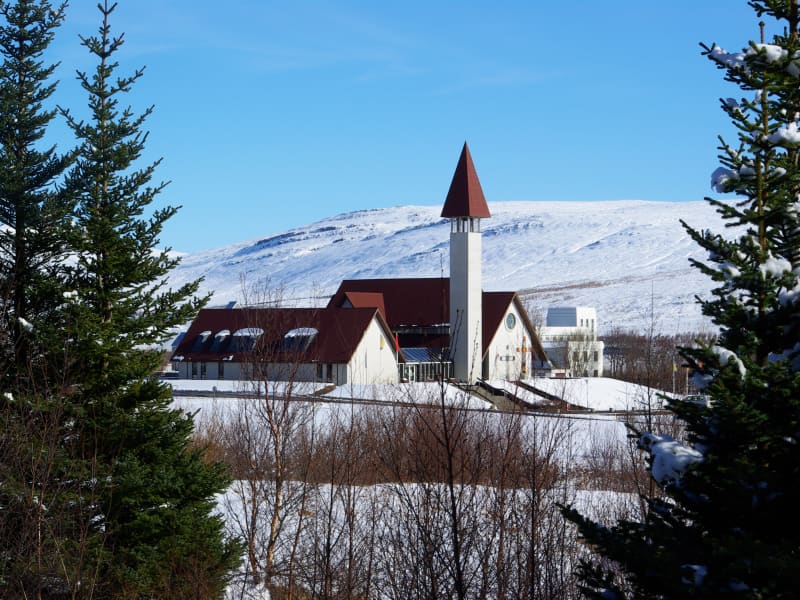
Reykholt is one of Iceland's most renowned historical sites where some of the finest works of Old Icelandic literature were written. Snorrastofa, a cultural - and medieval centre, founded in memory of Snorri Sturluson,and situated in his ancient homestead at Reykholt. Snorrastofa manages various research projects and provides reception and information for travelers, historical exhibitions, guided tours and lectures. Books on history and culture, Icelandic handicraft and souvenirs are available in the shop. Guest accommodation for scholars and facilities for conferences and gatherings Concerts in the church of Reykholt.  Opening hours Weekdays: Saturdays: Sundays: May 1st - August 31st: 10:00-17:00 10:00-17:00 10:00-17:00 1st September - April 30th: 10:00-17:00 Closed Closed Open on request during winter weekends.
Eiríksstadir - Living Museum
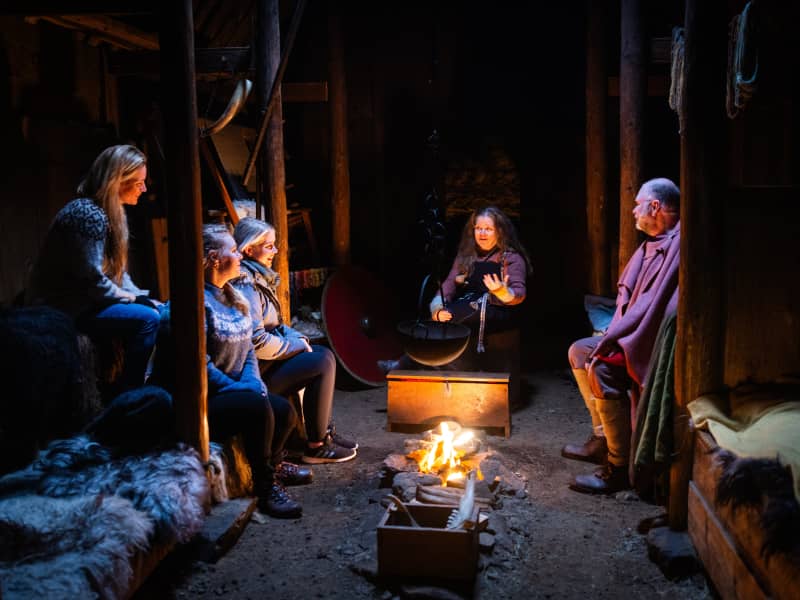
Come and join us in the 10th century. Let's sit by the fire and meet storytellers, telling renowned tales of the 10th century Iceland. You can try real Viking tools and get to know the craftsmanship, architecture, and Viking clothing, all made by hand with original tools and methods.  Our storytellers are well-versed in the history of the farm, its inhabitants, and the Viking age. Tours are ongoing throughout the day, you can pop in at any time.  Open every day 10 am to 5 pm, from the 1st of April to the 31st of October.  
The Settlement Center in Borgarnes
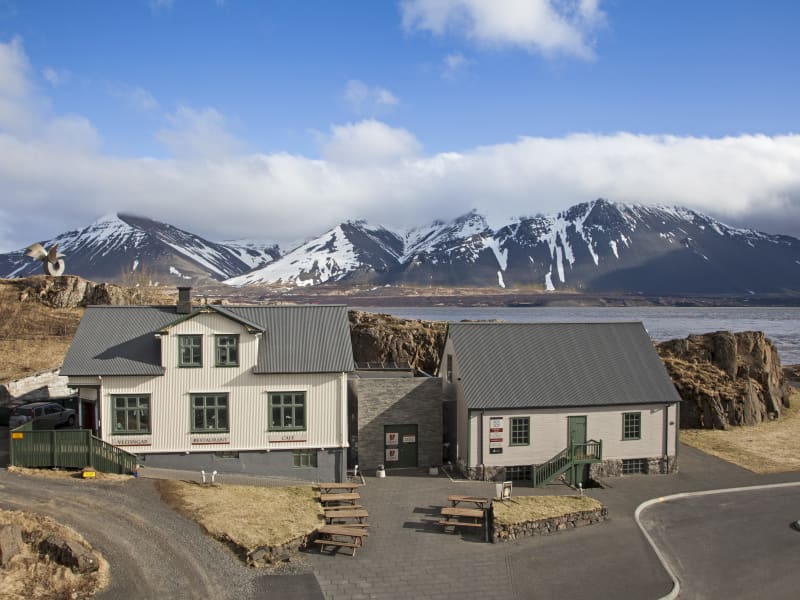
In two of Borgarnes's oldest buildings The Settlement Center is devoted to recreating Iceland's earliest days and introduces visitors to one of the best known heroes of the Icelandic Sagas, Egill Skalla-Grímsson. It also houses a cozy licensed restaurant, a café and a souvenir shop. The Center consists of three buildings, the warehouse, the merchant house and the reception hall.  Offering a wealth of information, the Settlement Center provides a wonderful insight into Iceland's history. It also gives you the chance to put your visit into the context of the country's past. The exhibitions recreate the fascinating drama of the Sagas and the birth of this island nation. They also bring to life one of Iceland's most important cultural treasures, Egils Saga.  Please take virtual visit to the Settlement Center and see what we have to offer: The Settlement Center   
The Leif Eiriksson Center
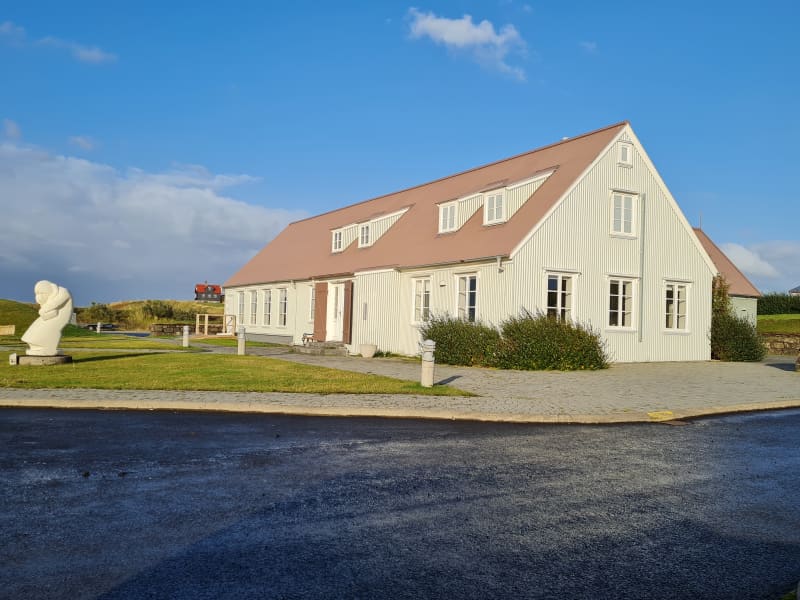
The Leif Eiriksson center is an exciting destination for all ages, where stories of the voyages of Erik the Red and his son Leif the Lucky (also called Leifur Eiríksson), discovering parts of Greenland, Canada and the US, are presented in a new exhibition, consisting of works from ten renowned Icelandic visual artists. An audio guide will lead you through the history as you view the magical world of the exhibition. Afterwards you can enjoy a quick bite to eat or some good coffee on the ground floor.  Open daily from May to October. 
The Agricultural Museum of Iceland
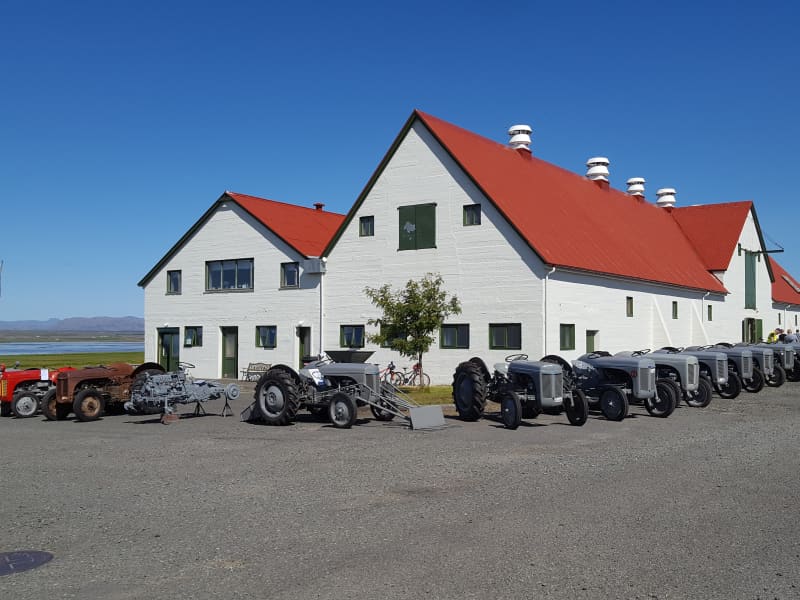
The Agricultural Museum of Iceland presents the agricultural heritage and seeks to explain the history of Icelandic agriculture. The museum has an extensive collection of farm artifacts. For example, the first horse-driven equipment and the first tractors imported to Iceland, as well as the more modern artifacts of current times. The museum has Iceland´s largest collection of farm machinery which goes back to 1880. The visitor center for birdlife in Andakill is part of the museum. The museum offers guidance to the history of Hvanneyri, agricultural education and information on agriculture in Iceland today, beside visit to Hvanneyri church, one of the beautiful old churches in the countryside. Opening hours: Open daily 15th May - 15th September from 11-17 During wintertime (16th of September - 14th of May) opening hours are Thursdays, Fridays and Saturdays from 13-17 and upon request.
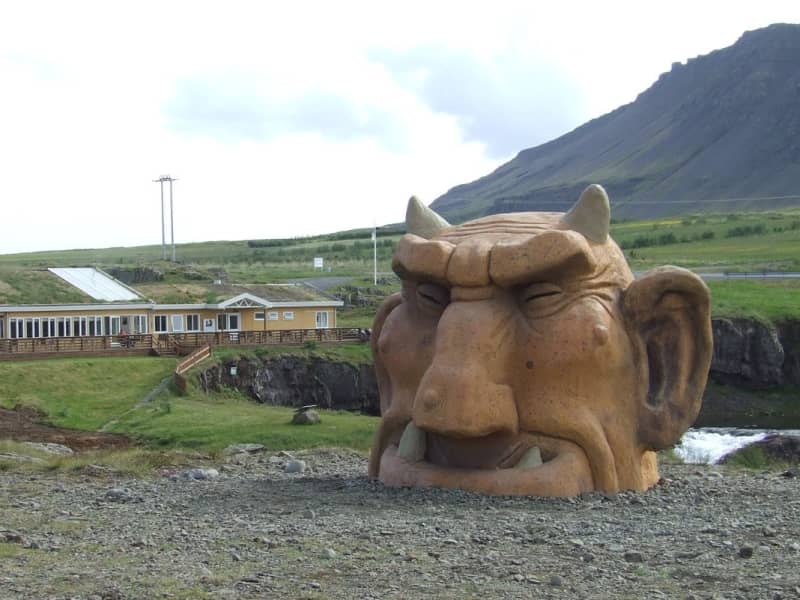
Trollpark in Fossatún
Location
Akranes Folk Museum
At the Akranes Folk Museum, you can learn about the history of Akranes and its surroundings. The museum was founded and opened in the year 1959 and can be found at Garðaholt 3. Opening hours: Summer: May 15th - September 14th: every day from 11:00-17:00Winter: September 15th - May 14th: Saturdays 13:00-17:00, or upon request Hægt er að leigja stúkuhúsið undir fundarhöld. 
War and Peace Museum
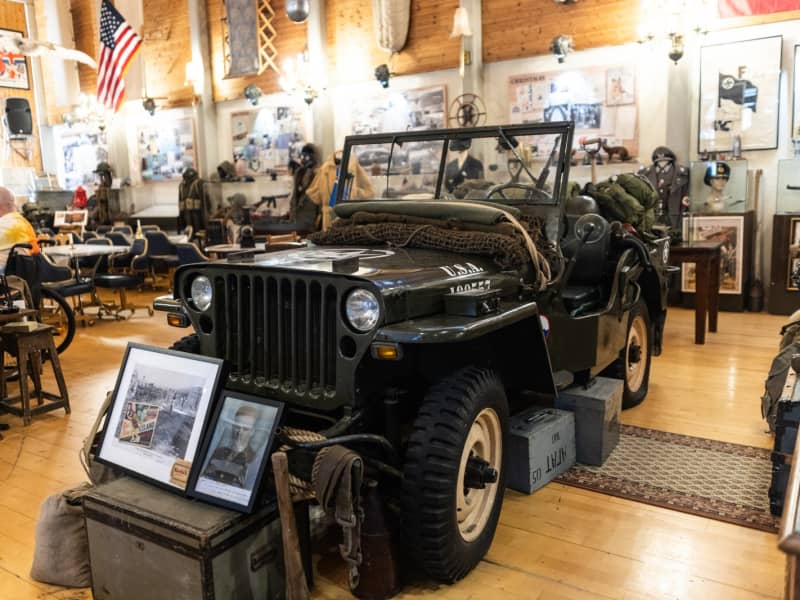
The unique and remarkable history of the occupation period in Iceland 1940-45 unfolds at the War and Peace Museum. Our exhibition tells the story of how a peaceful countryside was transformed, in the context of world events and its importance to the victory of the Allies in World War 2. Here you can explore our high-quality collection of artifacts and feel the memories from this fateful time of upheaval. During your stop you can relax in our cozy café "The White Falcon", which serves light meals and Icelandic delicacies and check out our collection of souvenirs in the gift shop. Open 1st June - 26th August: Wednesdays, Thursdays and Fridays from 13:00 to 17:00, Saturdays and Sundays from 10:00 to 17:00. Closed on Mondays and Tuesdays. Large camping ground for tents and campers. Electric outlets are available and the camping ground has two large charcoal grills, a playground for the children and good restroom facilities. Showers are available and dishwashing facilities as well. The area also offers a dumping station for portable toilets. The camping site is open from June 1st - August 26th.
Borgarnes Museum
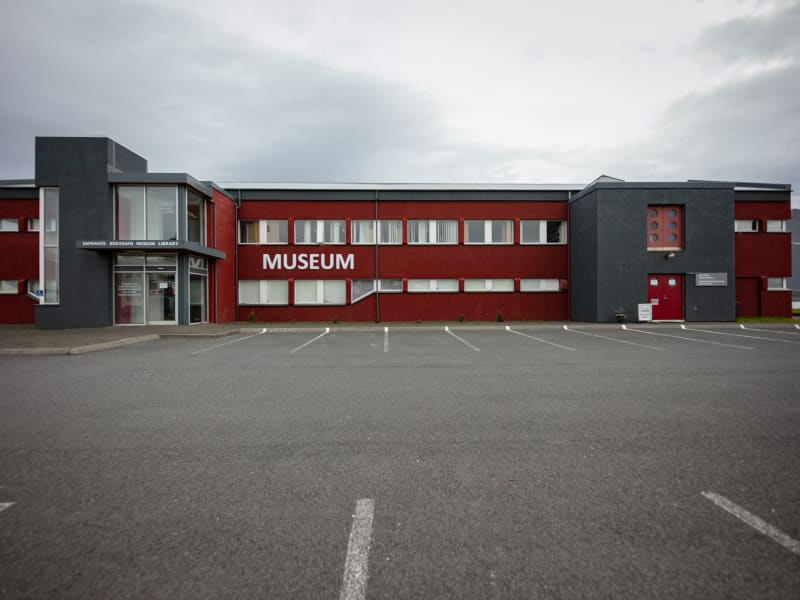
Borgarnes Museum - Community Center, Archives and Library, Borgarnes, Iceland. Summer opening hours (June, July, August):Mondays - Fridays from 10:00 - 17:00Saturdays: 11:00 - 14:00Sundays: closed
Bjarnarhöfn Shark Museum
At Bjarnarhöfn Shark-museum visitors get to experience a unique Icelandic culture. This family owned museum offers you a peak into their history. This family has been involved with sharks for the past four centuries with the only change being they don ‘t fish for sharks anymore, now it‘s only bycatch. At the museum everyone gets a guided tour that explains the six months processing of the shark meet, the sharks biology, the history behind it all and more. Visitors have the opportunity to try the fermented shark and have first hand experience of this traditional Icelandic delicacy. Visitors also have the opportunity to visit the drying house where the shark meat it being processed.
The Maritime Museum in the Fishermen´s Park
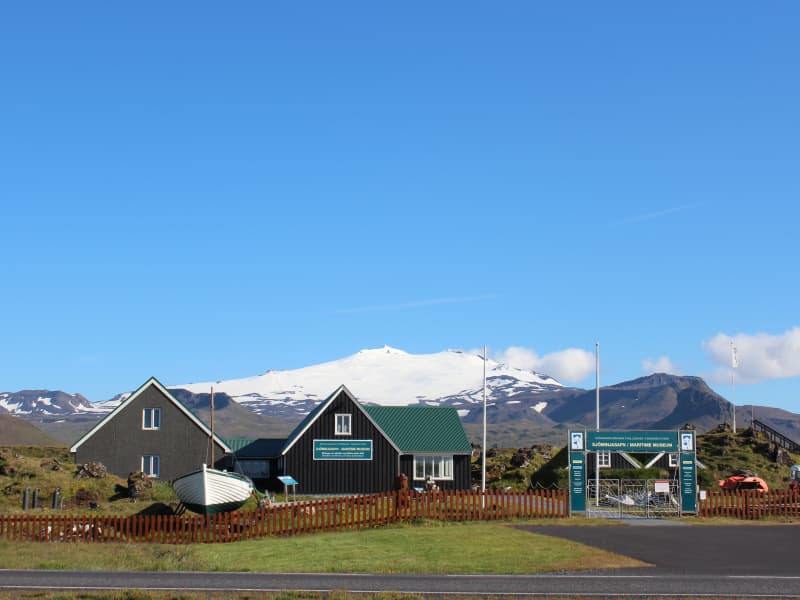
Exhibition on fisheries and nature by the Glacier -  coffee and cakes  In the Fishermen’s Garden you will find a collection of items reminding one of the local community’s connection to the ocean and how its inhabitants dealt with a life that revolved around fishing in days gone by.
Norwegian House - Regional Muesum
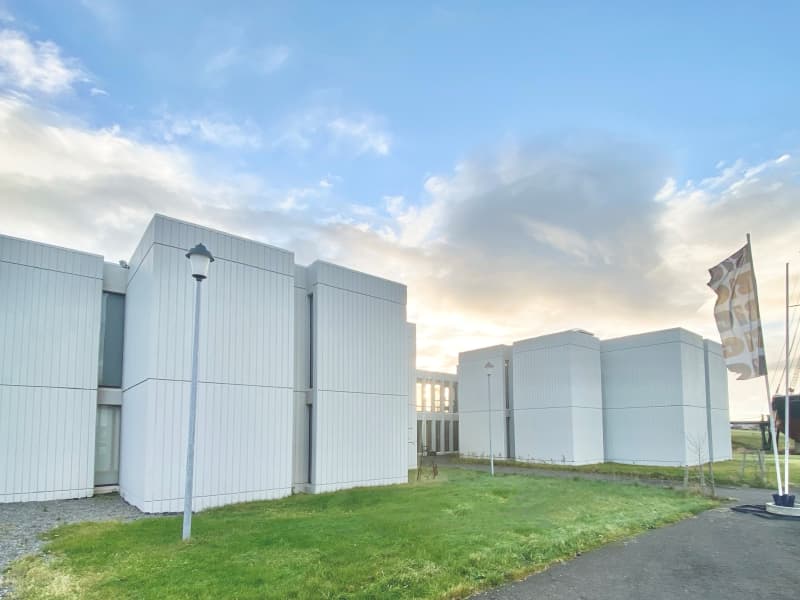
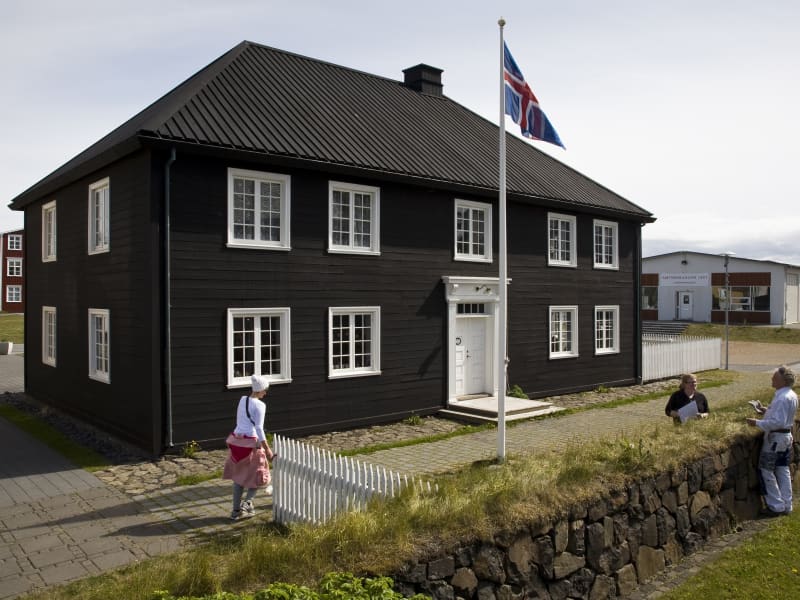
Norwegian house: The regional museum  of Snæfellsnes The Norwegian house, built in 1832, was the first wood-frame residence with two full-sized storeys in Iceland. The wood was imported from Norway hence the name. It was the home of Árni Ó. Thorlacius (1802–1891) and Anna M. Steenback (1807–1894) and has been renovated partially back to its original style. The Norwegian house serves as the regional museum for the Snæfellsnes area with an open storage on the top floor and 
rotating exhibitions on the lower level as well as a museum shop with handicraft, sweets and products from the area.  Opening hours: June 1st - August 31st: Every day from 11-17. May: Every day from 13-16. Stykkishólmur Museum Pass - Norwegian House and Water Library: Adults ISK 2.080,- Tickets for the Library of Water are sold at the Norwegian House.
Æðarsetur Íslands
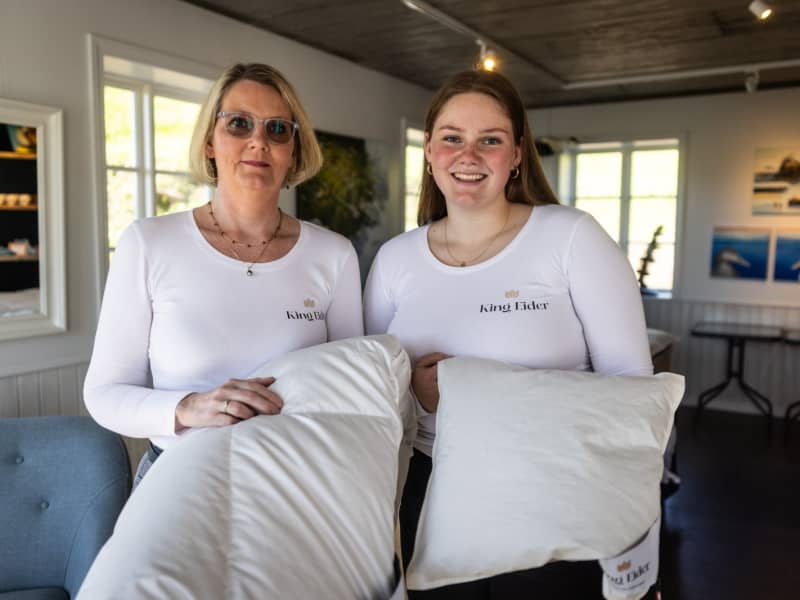
The Icelandic Eider Center is a modern museum and knowledge center which invites visitors to learn about the eider duck and the fascinating methods of eiderdown farming in the past and present.  Located in the town of Stykkishólmur on Breiðafjörður bay, home of large Eider duck breeding grounds and the most extensive eider farming world wide. You can enjoy a hot cup of coffee while visiting.  Opening hours:Summer: daily 13:00-17:00Winter: open for groups upon agreement. Please book in advance.
Library of Water
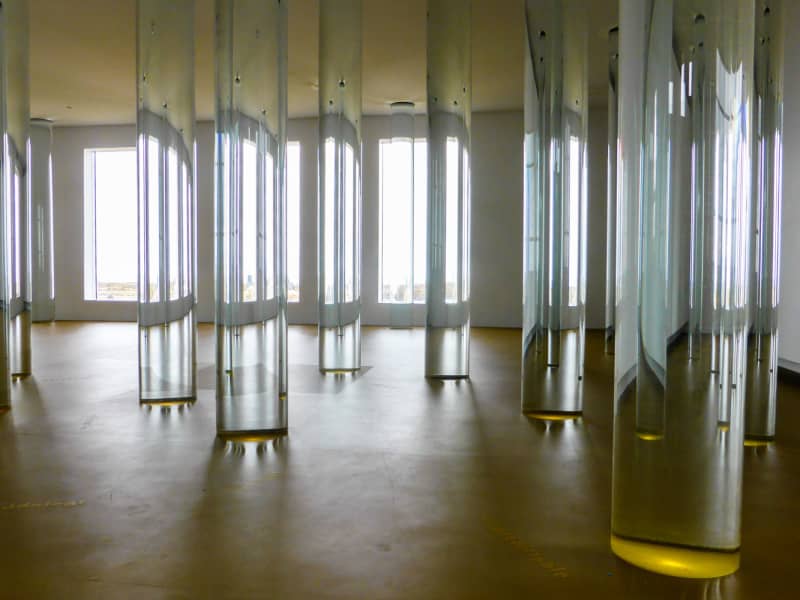
Vatnasafn / Library of water is a long-term project conceived by Roni Horn for a former library in the coastal town of Stykkishólmur in Iceland. The building stands on a promontory overlooking the ocean and the town, and houses an exhibition which reflect Roni Horn’s intimate involvement with the singular geography, geology, climate and culture of Iceland... Water, Selected is a constellation of 24 glass columns containing water collected from ice from some of the major glaciers around Iceland. The glass columns refract and reflect the light onto a rubber floor embedded with a field of words in Icelandic and English which relate to the weather – inside or outside. The sculpture installation offers a space for private reflection whilst accommodating a wide variety of community uses. In a small side room, visitors can look at Roni Horn’s ongoing series of books made in Iceland, To Place and listen to a selection of people talking about the weather. Through 2005 and 2006, at the instigation of Horn, writer Oddny Eir Ævarsdóttir, her brother archaeologist Uggi Ævarsson and their father, radio broadcaster Ævar Kjartansson interviewed around a hundred individuals from Stykkishólmur and the surrounding area about the weather. Weather Reports You presents these spoken testimonies as a collective self-portrait of a country where the weather is strongly present in everyday life. The lower floor of Vatnasafn / Library of Water is a private writers’ studio where each year writers are invited to spend a number of months living and working. The residencies alternate between Iceland-based and overseas writers, and have so far included Guðrún Eva Mínervudóttir, Rebecca Solnit, Anne Carson, Oskar Arni Oskarsson and Oddny Eir Ævarsdóttir. Commissioned and produced in 2007 by Artangel with The Town of Stykkishólmur, The Ministry of Education, Science and Culture, The Ministry of Communications and the Icelandic Parliament.